
African hospitality must stop copying Dubai
The traveller coming to Niamey is not looking for a marble lobby. A case for situated hospitality.
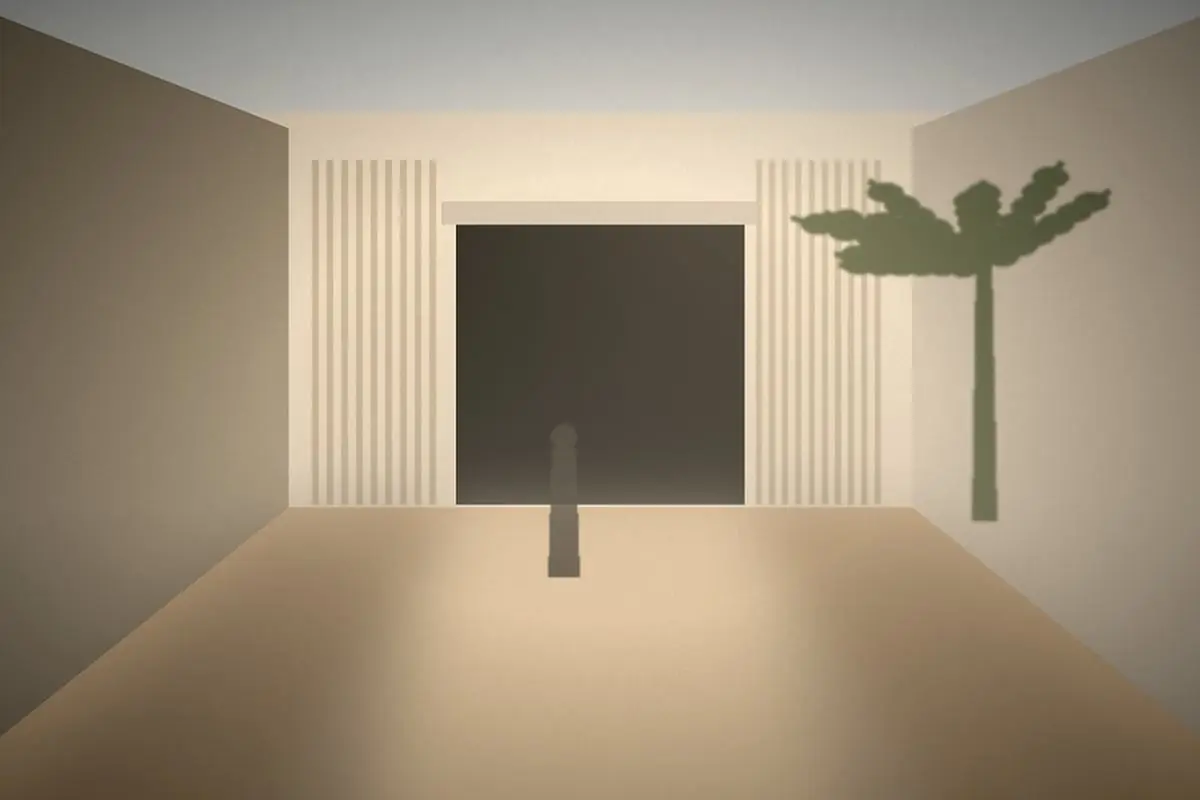
Walk into a four-star hotel in Niamey, Bamako or Douala: you will find the same polished marble lobby, the same fountain, the same furniture imported from China, the same air conditioning at 18 °C.
This model has a logical origin — reassuring an international business clientele. It also has a cost: energetic, cultural and ultimately economic.
The traveller has changed
Occupancy studies show a clear shift: leisure guests and regional business travellers now look for a situated experience. A hotel that could be anywhere is worth nowhere.
What we learned at Sahel Lodge
- Occupancy exceeded forecasts by 22% in the first year.
- Air conditioning accounts for 11% of the energy bill, against 45% in a comparable property.
- 80% of online reviews mention the architecture or the patios.
Situated hospitality, concretely
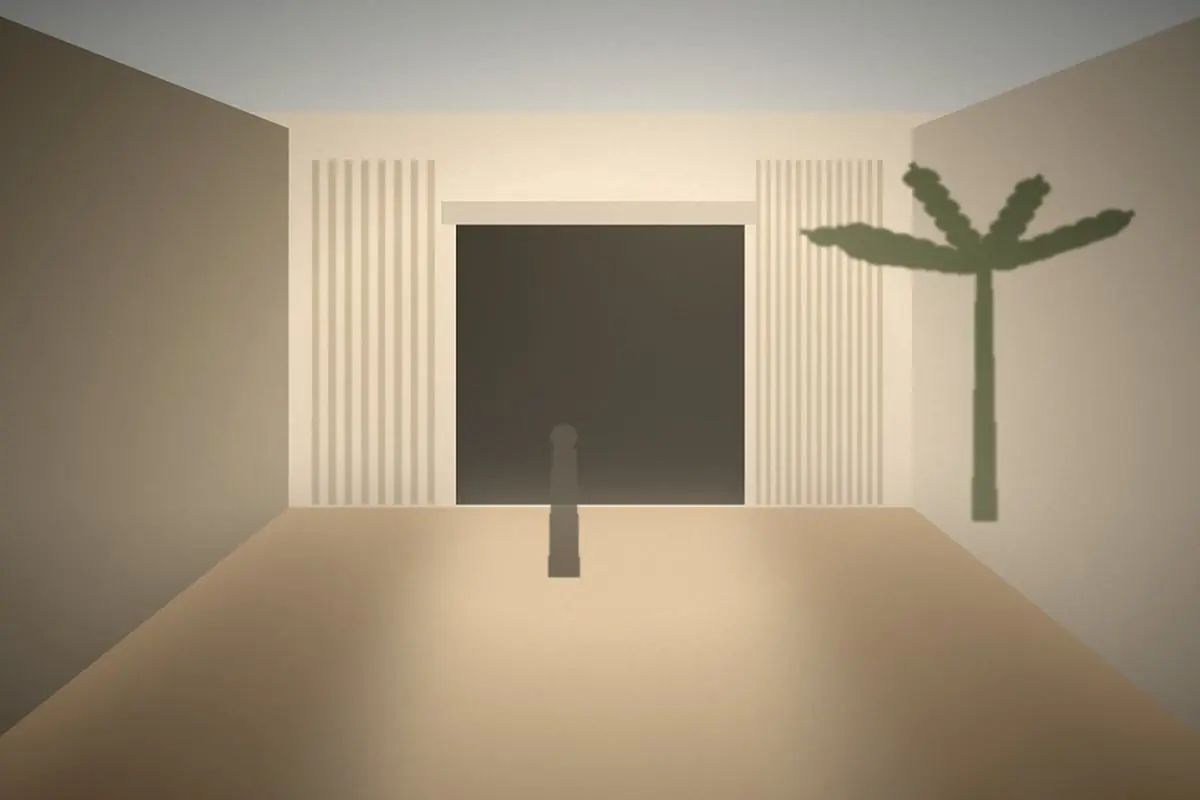
It means: materials from the place, climate handled by design rather than machinery, locally sourced food, furniture made within 100 km, and spaces that echo familiar typologies — the courtyard, the veranda, the threshold.
This is not folklore. It is strategy.


Comments
Be the first to respond.